
English 
T: +86-13212036031
E: mason@easy--scaffolding.com
E: mason@easy--scaffolding.com
Room No.203, Building No.5, Huijin Plaza, West Fifth Road No.35, Tianjin Airport Economic Zone, Tianjin, China

Views: 0 Author: Site Editor Publish Time: 2026-03-10 Origin: Site


In modern construction projects, cuplock scaffolding is primarily used to create temporary access platforms and load-bearing support structures.
Thanks to its rigid node connection and modular layout, the system can safely support workers, equipment and construction loads at different heights and in different working environments.
Compared with traditional loose tube scaffolding, cuplock scaffolding provides a more systematic and engineered solution, which makes it suitable for:
repetitive construction layouts
large-scale working areas
projects with strict safety and schedule requirements
Cuplock scaffolding is generally applied in two major ways.
For access purposes, the system is mainly used to create:
working platforms
façade access structures
temporary walkways and passages
For shoring and support purposes, cuplock scaffolding is used as a load-bearing structure to support:
slab formwork
beam and girder formwork
temporary structural loads during concrete casting
Although the components are the same, the structural layout, spacing and bracing arrangement are different.
A well-designed cuplock scaffolding system allows engineers to adjust:
bay size
vertical spacing
bracing arrangement
working deck positions
This flexibility makes one system suitable for a wide range of access and support applications without changing the core components.
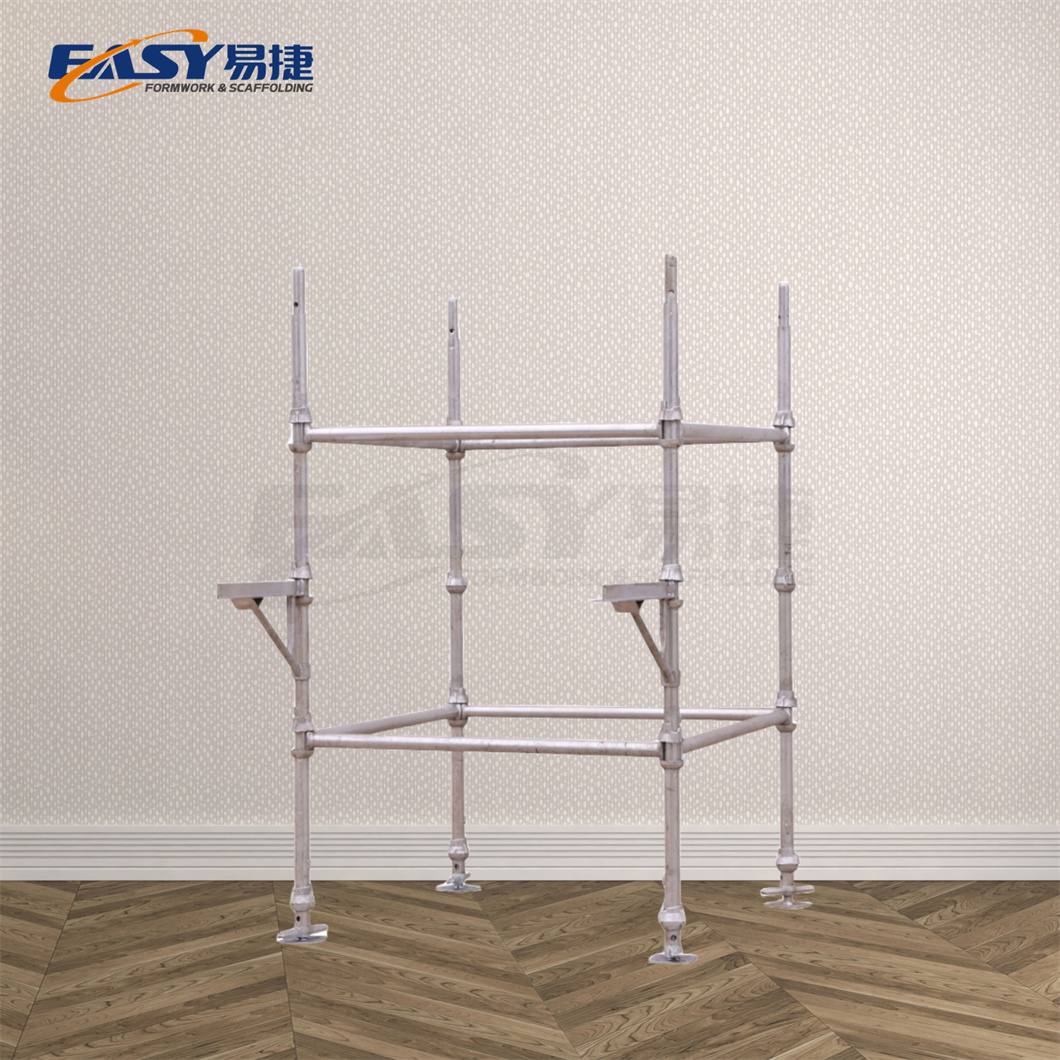
Cuplock scaffolding is widely used to build façade access platforms for exterior construction and finishing works.
The system allows continuous and stable working decks to be installed along the building façade, which is ideal for:
wall rendering and plastering
curtain wall installation
external insulation systems
façade painting and coating
The rigid node connections help reduce platform movement, improving both safety and working efficiency.
For window fitting and façade repair works, cuplock scaffolding offers:
easy height adjustment
flexible bay arrangement
reliable edge protection installation
This makes it suitable for both new construction and renovation projects.
Cuplock scaffolding is also frequently used inside buildings where conventional façade scaffolding cannot be installed.
The system provides safe access for:
pipe installation
cable tray and conduit works
fire protection systems
Its modular layout allows installation around existing structures and equipment.
For large halls, shopping centers and industrial buildings, cuplock scaffolding creates wide and stable working platforms for:
ceiling systems
ventilation ducts
lighting installations
Cuplock scaffolding is widely applied as a vertical shoring system for slab formwork.
A typical slab shoring layout normally consists of:
vertical cuplock standards
horizontal ledgers forming a regular grid
diagonal braces for lateral stability
U-head jacks supporting beams or primary bearers
This standardized layout makes structural calculation and site control much easier.
For large floor plates, the cuplock scaffolding system offers:
fast repetitive installation
consistent load distribution
simplified site logistics
This is especially beneficial for commercial buildings and residential high-rise projects with repetitive slab structures.
Beam and girder formwork often generate concentrated loads.
Cuplock scaffolding is suitable for such conditions because the vertical standards transfer loads directly to the base with minimal eccentricity.
Typical scenarios include:
transfer beams
deep beams
structural frame beams
By combining cuplock standards with adjustable U-head jacks, different beam types can be supported accurately, including:
timber beams
aluminum beams
steel beams
Height adjustment and alignment can be carried out easily during installation.
Cuplock scaffolding is also used to support table formwork and flying form systems.
Its modular structure allows:
fast repositioning of tables
stable temporary support during relocation
flexible adaptation to different bay sizes
For projects requiring high vertical support, cuplock scaffolding is commonly assembled into shoring towers.
These towers are widely used for:
high-level slab casting
podium and transfer structures
multi-storey temporary support frames
The rigid joint and modular bracing system help maintain stability even at greater heights.
In deep basements and underground construction, cuplock scaffolding is used to support:
temporary decks
structural slabs
formwork systems
Its strong vertical load path and compact layout make it suitable for confined working spaces.
Cuplock scaffolding is especially effective for:
transfer slabs
thick structural slabs
special structural zones with high concrete loads
By adjusting spacing and bracing density, the system can be configured to meet demanding load requirements safely.
In power stations and energy facilities, cuplock scaffolding is commonly used to create temporary maintenance platforms around boilers, turbines and large mechanical units.
Its modular structure allows:
flexible access around complex equipment
stable working decks at multiple elevations
fast assembly during short maintenance shutdown periods
This makes the cuplock scaffolding system highly suitable for time-critical industrial maintenance work.
In refineries and petrochemical plants, scaffolding must adapt to congested layouts and strict safety requirements.
Cuplock scaffolding is widely applied for:
pipeline inspection and installation
valve and equipment maintenance
structural steel maintenance
The strong node connection and modular grid layout help engineers design safe access routes even in restricted spaces.
Inside factories and production workshops, cuplock scaffolding is used to build:
temporary access platforms
maintenance towers
overhead working decks
The system can be configured to avoid existing machinery and production lines while still providing stable access for workers.
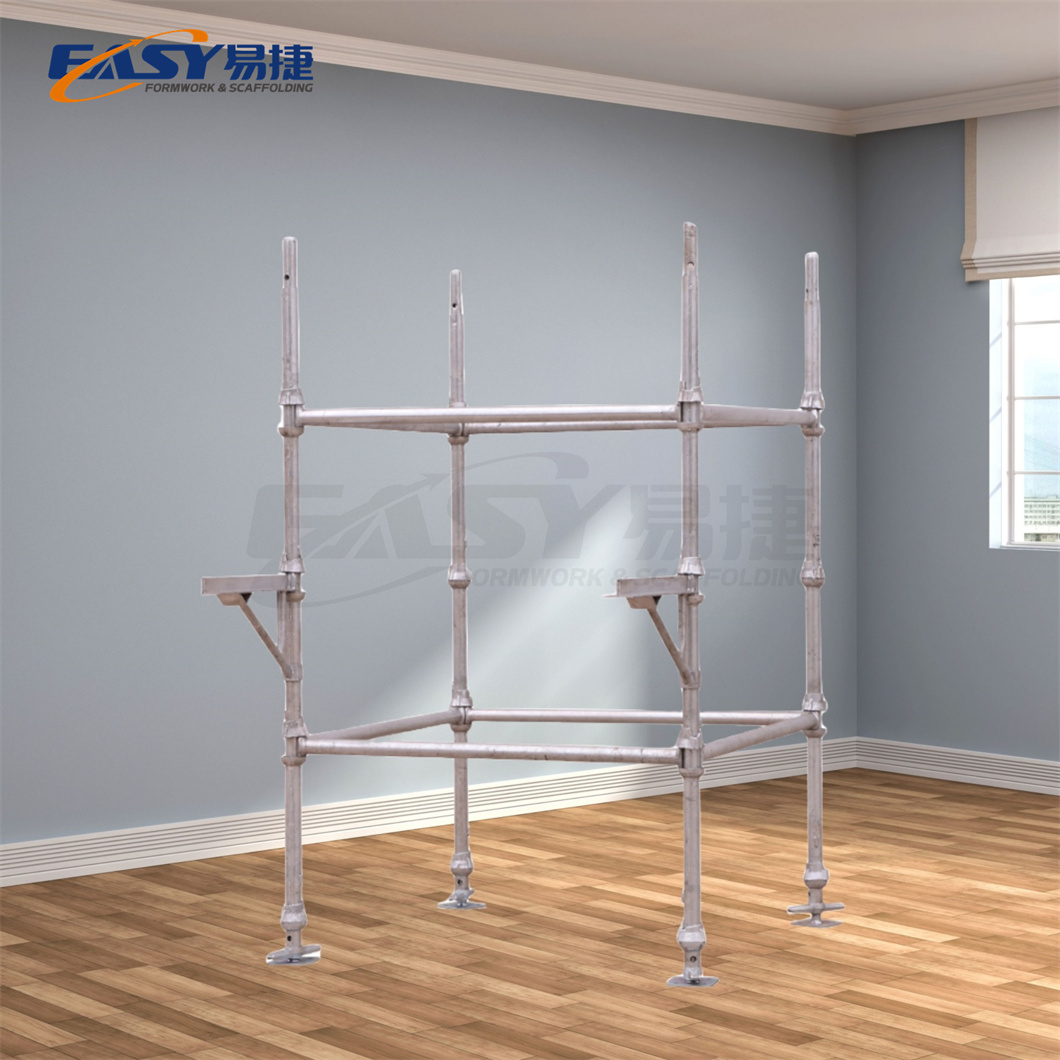
Cuplock scaffolding is widely used in bridge projects for:
pier construction
deck formwork access
inspection and repair works
The system can be assembled into suspended or cantilever access structures when required, while maintaining good structural rigidity.
During tunnel construction and lining works, cuplock scaffolding is applied to build:
temporary working platforms
inspection access decks
installation supports for equipment and services
Its modular configuration allows it to adapt to curved tunnel profiles and irregular working zones.
For railway and highway construction, cuplock scaffolding is commonly used for:
structural component installation
temporary access to elevated sections
concrete structure support and inspection
The robustness of the cuplock scaffolding system makes it suitable for demanding outdoor environments.
In residential towers, cuplock scaffolding is used for:
façade access and finishing works
internal installation works
temporary access platforms during structural construction
Its repetitive modular layout is particularly suitable for typical floor-by-floor construction.
For large commercial projects, such as shopping malls and office complexes, cuplock scaffolding is used to support:
large ceiling installations
MEP systems
façade construction and maintenance
The wide working platforms improve productivity and material handling efficiency.
In schools, hospitals and public facilities, cuplock scaffolding is often applied for:
large-span interior access
renovation and retrofit projects
external maintenance works
The system provides safe and stable working environments in highly regulated public construction projects.
Cuplock scaffolding can be quickly assembled into temporary platforms for:
short-term installation tasks
inspection works
equipment relocation
The system is frequently used to build temporary support frames during:
structural strengthening works
demolition and reconstruction stages
temporary load transfer operations
Cuplock scaffolding is also used to create temporary walkways, ramps and passages to maintain safe site circulation.
Cuplock scaffolding is designed to carry both working loads and heavy structural loads.
Its vertical standards and rigid joints provide efficient load paths, making the system suitable for demanding shoring and support applications.
The cup joint allows multiple members to be locked at one time, significantly reducing installation and dismantling time.
This is especially important for:
industrial shutdown maintenance
fast-track commercial projects
repetitive floor construction
The cup-and-blade joint ensures consistent and reliable connection quality across the entire structure, helping reduce installation errors and improve safety.
The standardized modular design allows engineers to adjust spacing and configuration easily, enabling one cuplock scaffolding system to support many different construction tasks.
For access scaffolding, attention should be paid to:
platform width
guardrail and toe board configuration
access routes and stair solutions
For shoring use, the system must be selected according to:
slab and beam loads
support height
spacing and bracing arrangement
Higher structures and heavier loads require:
closer standard spacing
additional diagonal bracing
professional structural layout design
Ground bearing capacity, working space and environmental conditions should be considered when configuring the cuplock scaffolding system.
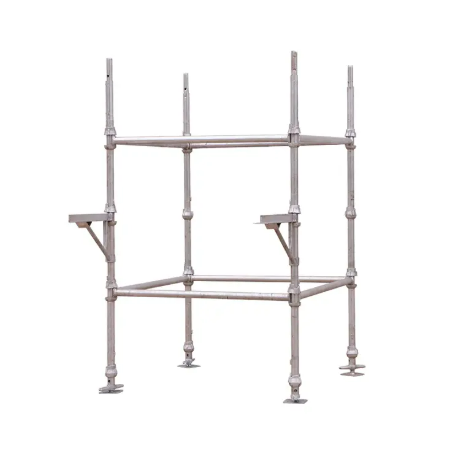
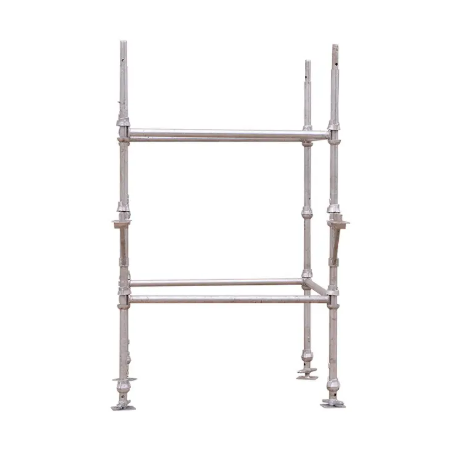
Ringlock scaffolding is often preferred for highly irregular geometries, while cuplock scaffolding is more efficient for repetitive and regular access layouts.
Frame scaffolding is faster for low-rise and simple façades, but cuplock scaffolding provides better flexibility and load performance for complex and high-rise buildings.
For shoring and formwork support, cuplock scaffolding offers higher efficiency, better consistency and easier quality control than traditional tube and coupler scaffolding.
A standard access layout usually consists of:
vertical cuplock standards
ledgers supporting working platforms
diagonal braces for lateral stability
guardrails, toe boards and ladders
A typical shoring configuration includes:
closely spaced standards
ledgers forming a regular grid
U-head jacks supporting primary beams
full bracing system
Industrial layouts often use:
multi-level working decks
flexible bay spacing
localized reinforcement around heavy equipment areas
Platform loads should be controlled and distributed properly to avoid local overloading.
High structures require adequate:
diagonal bracing
tie-in arrangements
foundation support
Regular inspection of joints, tubes and surface protection is essential to maintain long-term performance.
Cuplock scaffolding is suitable for both access and shoring purposes.
However, it is especially well known for its performance in heavy-duty support applications.
Yes. Cuplock scaffolding is widely used for thick slabs, transfer beams and other heavy concrete structures when properly designed.
Yes. By changing configuration and spacing, the same cuplock scaffolding system can be used for different access and support tasks.
From façade access and interior installation platforms to heavy-duty slab and beam shoring, industrial maintenance structures and major infrastructure projects, cuplock scaffolding plays an essential role in modern construction.
A well-designed cuplock scaffolding system provides a reliable solution for contractors who need both high efficiency and dependable structural performance across different types of projects.
As a professional cuplock scaffolding manufacturer, Tianjin Easy Scaffolding Co., Ltd supplies a complete range of cuplock standards, ledgers, braces, jacks and accessories under a fully integrated production and export system.
With strong manufacturing capacity, stable welding and galvanizing quality, and extensive experience in overseas infrastructure, industrial and building projects, the company is able to offer:
full-system supply for access and heavy shoring applications
consistent and interchangeable components for large projects
engineering-oriented support for layout and configuration
reliable delivery and quality assurance for international markets
By working with an experienced manufacturer that understands how cuplock scaffolding is used in real construction environments, contractors and distributors can build safer, faster and more efficient projects with long-term confidence.


